
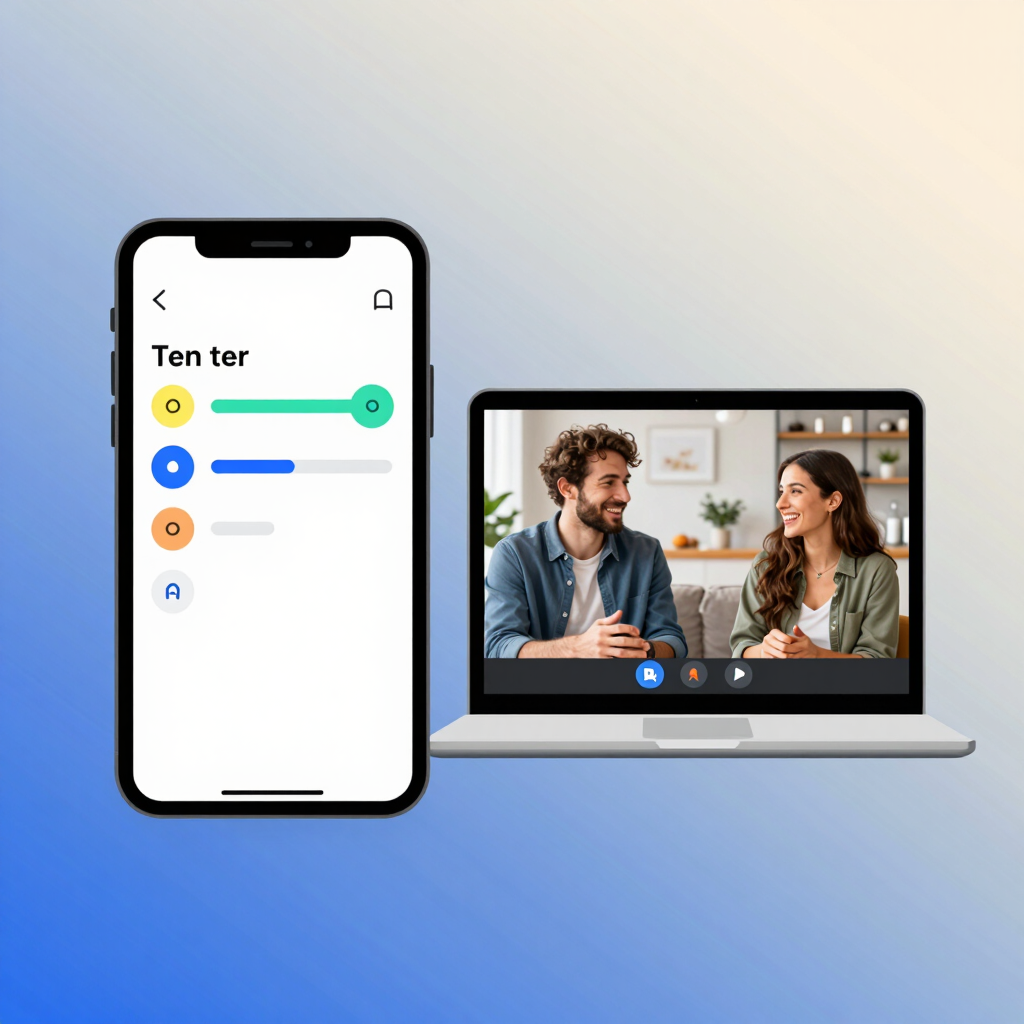
Duolingo and Cambly solve two different problems for English learners. Duolingo turns grammar and vocabulary into a daily game you play on your phone. Cambly puts you on a video call with a native English speaker so you can actually practice talking.
If you’re choosing between the two, the real question isn’t which app is “better.” It’s which problem you’re trying to solve. This comparison breaks down how each one works, what they cost, and which fits your goals — whether that’s building a daily habit, prepping for an exam, or finally speaking English with confidence.
What Is Duolingo?
Duolingo is a free language-learning app that teaches English through short, gamified lessons. Each lesson takes about five to ten minutes and mixes translation, listening, matching, and short speaking exercises.
The app is built around habit-forming mechanics: a daily “streak” for consecutive days practiced, XP points for completed lessons, and leaderboards where you’re ranked against other learners. On the free tier, mistakes cost you a “Heart” — a virtual life that limits how many errors you can make before you’re locked out of a lesson until your hearts refill.
Also Read: LinkedIn vs Rozee.pk: Best App for Job Hunting in Pakistan
Duolingo doesn’t connect you with a human teacher. It’s entirely self-study, guided by an app that adapts which words and grammar points to review based on your mistakes.
What Is Cambly?
Cambly is an online tutoring platform that connects English learners with native-speaking tutors over live video, available around the clock. Instead of following a fixed app curriculum, you either book a session in advance or connect with an available tutor within seconds for an on-demand conversation.
Lessons can be pure conversation practice, or more structured if you want — tutors can guide you through business English, casual conversation, or exam-focused topics like IELTS or TOEFL speaking practice. Higher-tier plans add recorded lessons, transcripts, and access to a library of structured “Cambly Courses” you can work through with a tutor’s guidance.
There’s no offline mode and no gamification here. It’s built entirely around real-time human conversation.
Key Differences
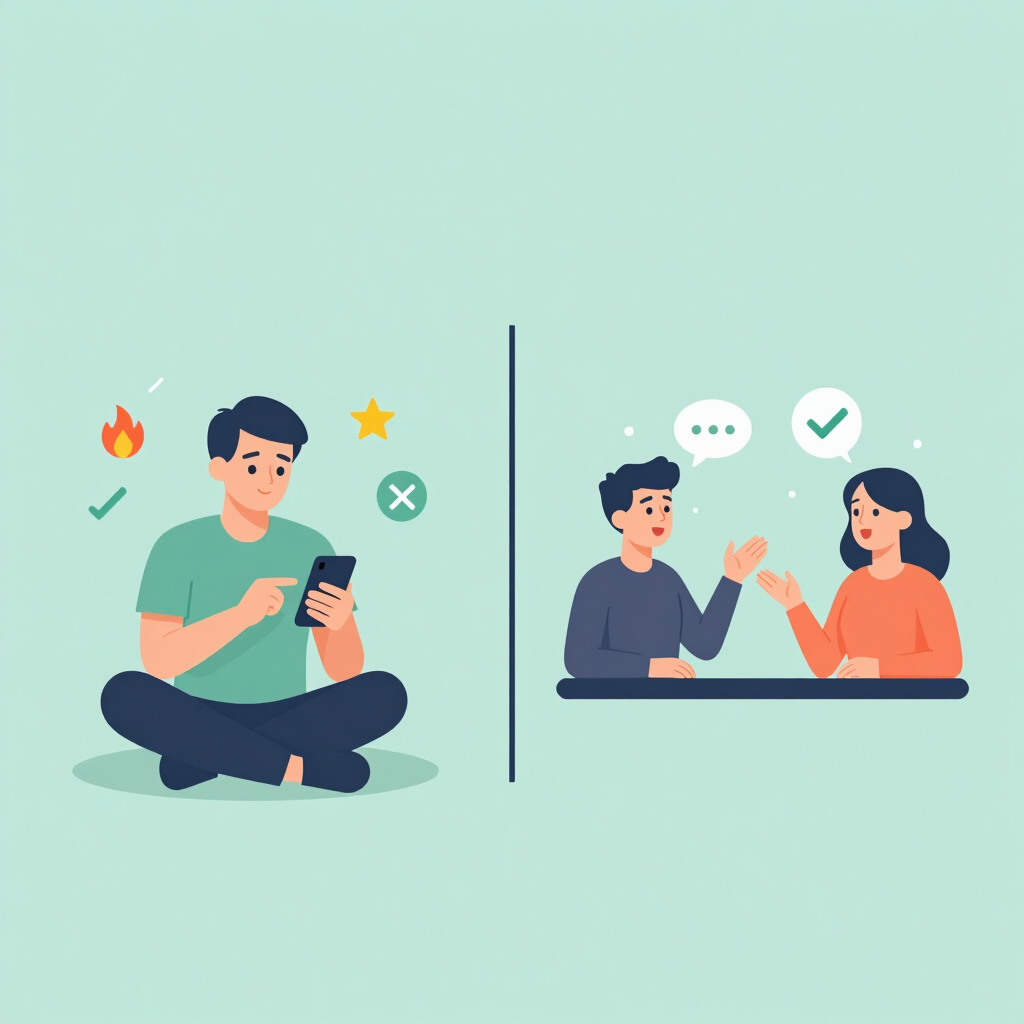
Self-study vs. live conversation. Duolingo teaches through solo app exercises; Cambly teaches through talking to a real person.
Free vs. paid-only. Duolingo has a genuinely usable free tier; Cambly requires payment for every lesson beyond a $1 trial.
Structure vs. flexibility. Duolingo follows a fixed skill path; Cambly lets you choose the topic, tutor, and pace each time.
Habit-building vs. speaking confidence. Duolingo is designed to keep you coming back daily; Cambly is designed to get you talking out loud.
Features Compared
Learning Style and Curriculum
Duolingo follows a linear path of units and skills, each building on previously learned vocabulary and grammar. You can’t easily skip ahead without testing out of earlier content.
Also Read: Zoom vs Google Meet vs Webex: Which One Should You Use in 2026?
Cambly has no required path by default. You pick topics, and your tutor adapts the conversation to your level in real time. Learners on Cambly’s Pro plan get access to structured “Cambly Courses” alongside their live lessons, which brings it closer to a guided curriculum.
Speaking Practice
This is where the two apps diverge most. Duolingo includes speech-recognition exercises that check your pronunciation against a reference, but there’s no back-and-forth conversation — you speak, the app grades you, and you move on.
Also Read: Zoom vs Google Meet vs Webex: Which One Should You Use in 2026?
Cambly is built around real conversation. You’re speaking with an actual person who can ask follow-up questions, correct you naturally, and adjust to what you’re struggling with — something no app-based exercise fully replicates.
Progress Tracking and Feedback
Duolingo tracks XP, streaks, accuracy on specific skills, and overall course progress automatically. Feedback on regular lessons is limited to correct/incorrect marking, with expanded explanations available through Duolingo Max.
Cambly’s feedback quality depends heavily on your plan and tutor. Entry-level plans rely on whatever feedback your tutor chooses to give during the call. The Pro plan adds lesson recordings, transcripts, and automated feedback after every session, which gives more consistent tracking over time.
AI-Powered Features
Duolingo Max, a premium tier above the standard Super subscription, adds GPT-4-powered tools including “Explain My Answer,” which breaks down why an answer was right or wrong, and “Roleplay,” which simulates a conversation with an AI character. Availability of these AI features can depend on which language course you’re using, so it’s worth checking inside the app before subscribing specifically for them.
Cambly’s AI involvement is smaller by comparison — mainly the automated feedback generated after lessons on its Pro plan, rather than an AI conversation partner.
Pricing
Duolingo Pricing
Plan Price What You Get
Free $0 Full course access, ads, limited Hearts
Super Duolingo about $7/month No ads, unlimited Hearts, personalized practice
Family Plan $119.99/year for up to 6 people Super Duolingo features shared across the household
Duolingo Max Around $29.99/month Everything in Super, plus GPT- 4 AI features
Cambly Pricing
Plan Starting Price What You Get
Small Groups $16/month Group lessons (you plus 1–2 other students) with a native tutor, ages 21+
Private+ $39/month 1-on-1 lessons, plus access to group lessons, lesson recordings, personalized exercises
Pro Priced higher than Private Exclusive Pro tutors, structured goal-based lessons, lesson recordings and transcripts, automated feedback
$1 Trial Lesson $1 One 30-minute lesson with a native-speaking tutor, no subscription required
Prices for both apps vary by billing term (monthly, quarterly, or annual), country, and ongoing promotions — Cambly in particular runs frequent seasonal discounts. Neither app currently publishes official Pakistani Rupee pricing; both are billed in US dollars (or another supported currency) and converted by your app store or card issuer at checkout, so the amount on your statement may differ slightly from the USD figures above.
Also Read: CamScanner vs Adobe Scan: Best PDF Scanner App (2026)
Which App Is Better for You?
Best for Building Vocabulary and Grammar From Scratch
Duolingo. Its structured path and free tier make it the easiest way to start learning English with zero financial commitment, especially for absolute beginners who need repetition before they’re ready to speak.
Best for Speaking Confidence and Real Conversations
Cambly. If your English reading and writing are already decent but you freeze up in actual conversations, live tutoring closes that gap faster than any app exercise can.
Best for IELTS, TOEFL, or Job-Interview Prep
Cambly, since you can request tutors who focus on exam-style speaking practice or professional English and get direct, human feedback in real time.
Best on a Tight Budget
Duolingo’s free tier, since Cambly requires payment for every lesson beyond the initial $1 trial.
Limitations
Duolingo’s limitations:
Speaking practice is limited to short, graded exercises rather than open conversation.
Free-tier Hearts can interrupt longer study sessions if you make several mistakes in a row.
Deeper AI explanations require the Max subscription, and language availability for those AI features can vary.
Cambly’s limitations:
No free tier beyond a single $1 trial lesson.
Without a structured plan like Pro, lesson quality and consistency depend on which tutor you get.
No offline mode, since every lesson happens over live video.
Final Verdict
Neither app fully replaces the other. Duolingo is the stronger choice for building vocabulary, grammar, and daily study habits from zero cost. Cambly is the stronger choice for developing real speaking confidence through live conversation with native speakers.
Also Read: Best Apps to Learn English and Other Languages in 2026
Many learners get the best results using both: Duolingo to build the foundation, and regular Cambly sessions to practice actually using it in conversation.
Frequently Asked Questions
Is Duolingo free to learn English?
Yes. Duolingo’s core English course is free to use indefinitely, supported by ads, with a daily limit on mistakes through its Hearts system. Paid tiers remove ads and add extra features but aren’t required to complete the course.
Does Cambly offer a free trial?
Not a fully free one. New users can book a single 30-minute trial lesson with a native-speaking tutor for $1 before deciding on a subscription.
Can I use Duolingo and Cambly together?
Yes, and it’s a common approach. Duolingo builds vocabulary and grammar through daily practice, while Cambly gives you a space to use that knowledge in real conversation — the two skills reinforce each other.
Which is better for IELTS or TOEFL speaking prep?
Cambly, since you can work directly with a native-speaking tutor on exam-style speaking questions and get immediate, personalized feedback. Duolingo doesn’t offer live exam-focused coaching.
Is Duolingo Max worth the extra cost over Super Duolingo?
It depends on how much you value AI-generated explanations and roleplay conversations. If you’re a casual learner, standard Super Duolingo covers the essentials; Max is aimed at learners who want deeper grammar explanations and extra AI-driven speaking practice.