Physical Address
304 North Cardinal St.
Dorchester Center, MA 02124
Physical Address
304 North Cardinal St.
Dorchester Center, MA 02124

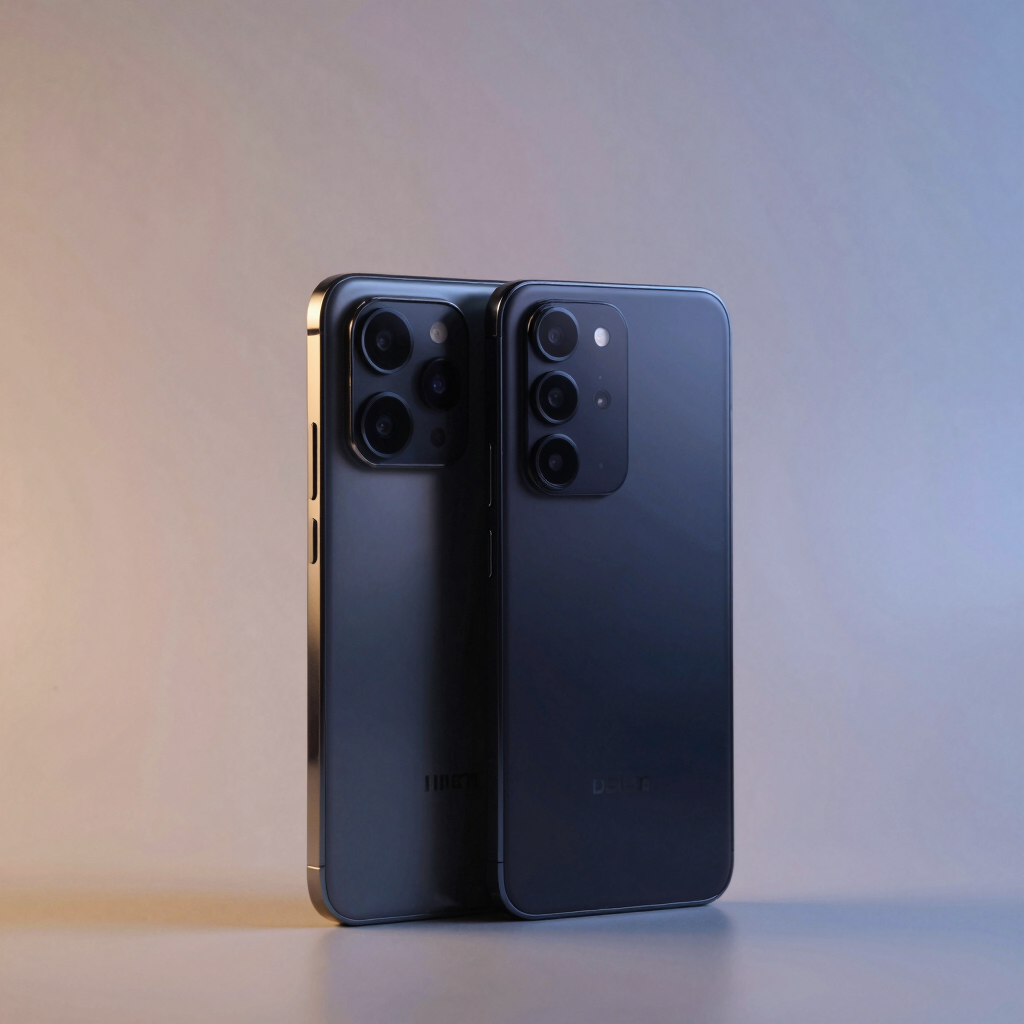
Spec sheets say Xiaomi should win every camera round. Real-world reviews tell a more mixed story. This comparison of Samsung’s Galaxy S26 range and Xiaomi’s 17 series breaks down daylight, night, zoom, selfies, pricing and Pakistan availability so you can choose with confidence.
On paper, Xiaomi should win this fight. Bigger sensors, Leica-tuned processing and flashier hardware make the spec sheet look one-sided. Reviews of the current flagships tell a different story. Samsung’s Galaxy S26 holds its ground in daylight, and the gap only opens up when the light drops or you zoom in.
This comparison looks at the camera experience on Samsung’s Galaxy S26 range and Xiaomi’s 17 series, including the camera software each brand builds around its lenses. It draws on published specifications and independent reviews, not personal testing.
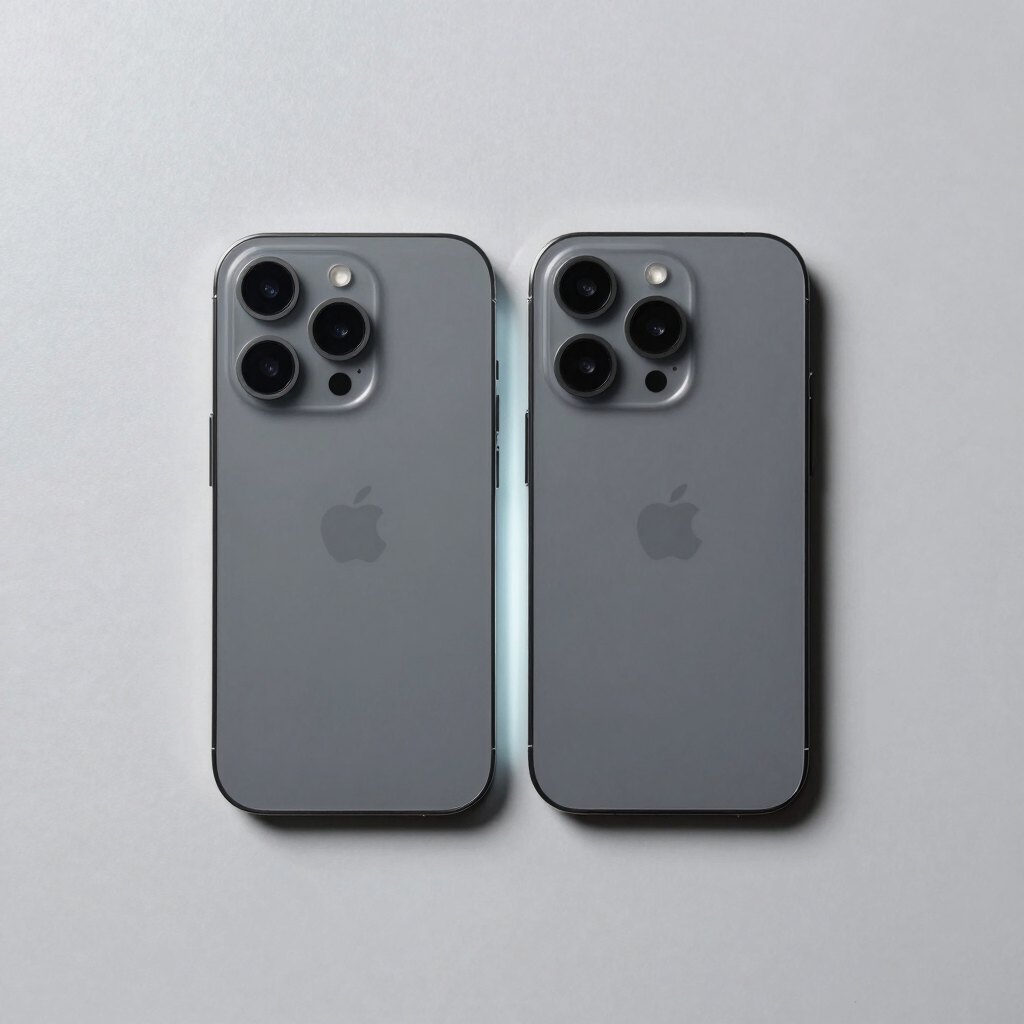
The two compact flagships are the fairest matchup. Both have 6.3-inch screens and triple rear cameras.
| Feature | Samsung Galaxy S26 | Xiaomi 17 |
|---|---|---|
| Main camera | 50 MP, f/1.8, 1/1.56″ sensor | Larger sensor and higher resolution on paper |
| Ultra-wide | 50 MP, f/2.4 | Triple-camera setup |
| Telephoto | 10 MP, 3x optical zoom | Included; stronger at night per reviews |
| Selfie camera | 12 MP | 50 MP |
| Battery | 4,300 mAh | About 6,330 mAh |
| Launch price (12GB/256GB) | $899 | €999 |
Specifications come from published spec databases and can differ slightly by region and variant. Check the manufacturer’s page for the model on sale locally.

Samsung’s philosophy is computational. It pairs a well-proven main sensor with heavy software processing and Galaxy AI features to shape the final image.
The result is usually clean, bright and balanced. Faces look clear and detailed in good light. Skin tones and colours stay close to what most people expect from a “normal” photo.
Samsung also has a software advantage beyond the camera. One review of the two compact flagships notes that Samsung offers software support for longer. That matters if you keep a phone for several years and want camera improvements and security patches to keep arriving.
Xiaomi leans on hardware first. Its 17 series uses larger sensors and a warmer colour style. The Ultra model goes further with Leica tuning and a 1-inch-class sensor that reviewers compare to a compact camera.
The 17 Ultra also pairs that sensor with a periscope lens for smooth zoom. Colours tend to look warmer and more cinematic. Some reviewers prefer that look over Samsung’s cleaner rendering, while others find it less neutral.
The 50 MP selfie camera is a clear on-paper advantage over Samsung’s 12 MP front camera.
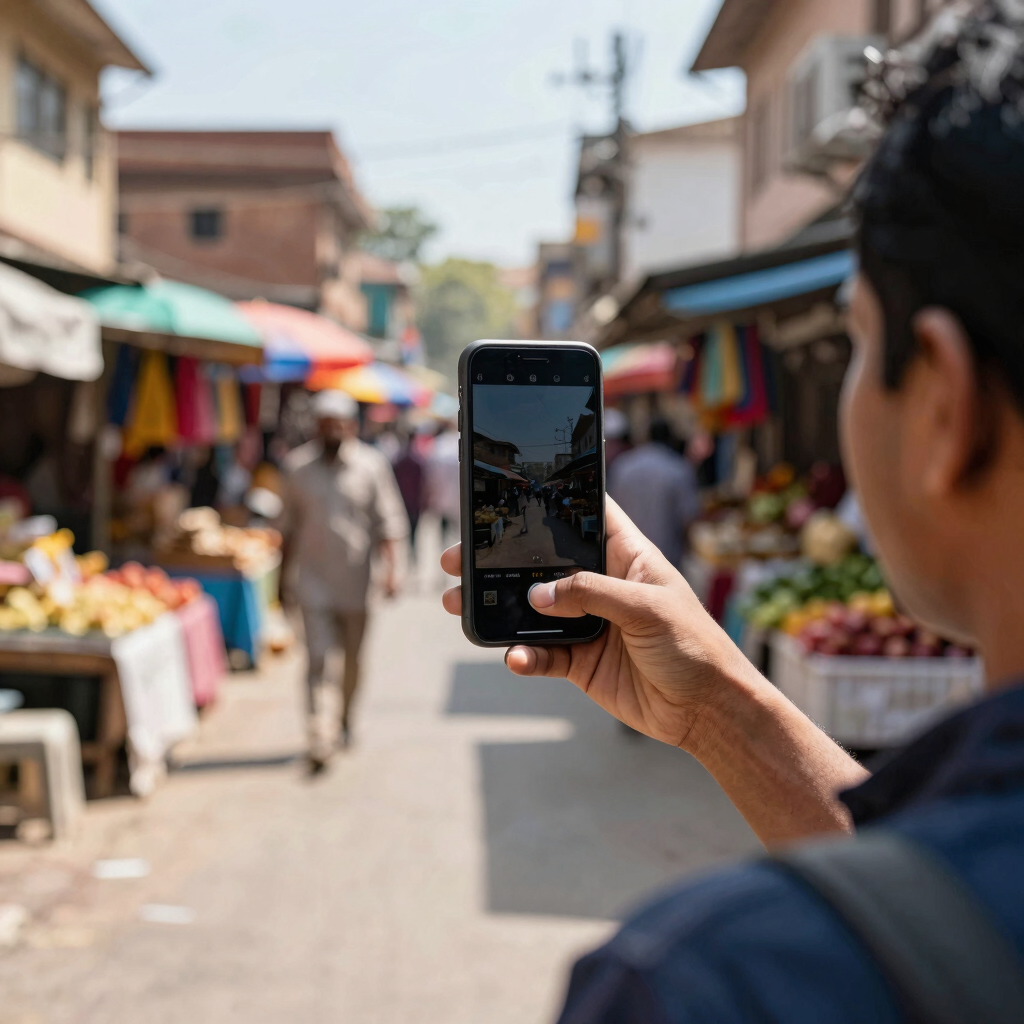
This is the surprise. In bright light, big sensors matter less because every phone has plenty of light to work with. One reviewer who compared the two compact models preferred the Galaxy S26 for daytime snaps.
Another said the S26 renders faces slightly clearer and more detailed. Warm colour is a matter of taste, and in this reviewer’s view the Xiaomi’s warmer tones looked nicer.
In practice, the daylight gap between these two is small. Most people sharing photos in a chat app will struggle to tell them apart.
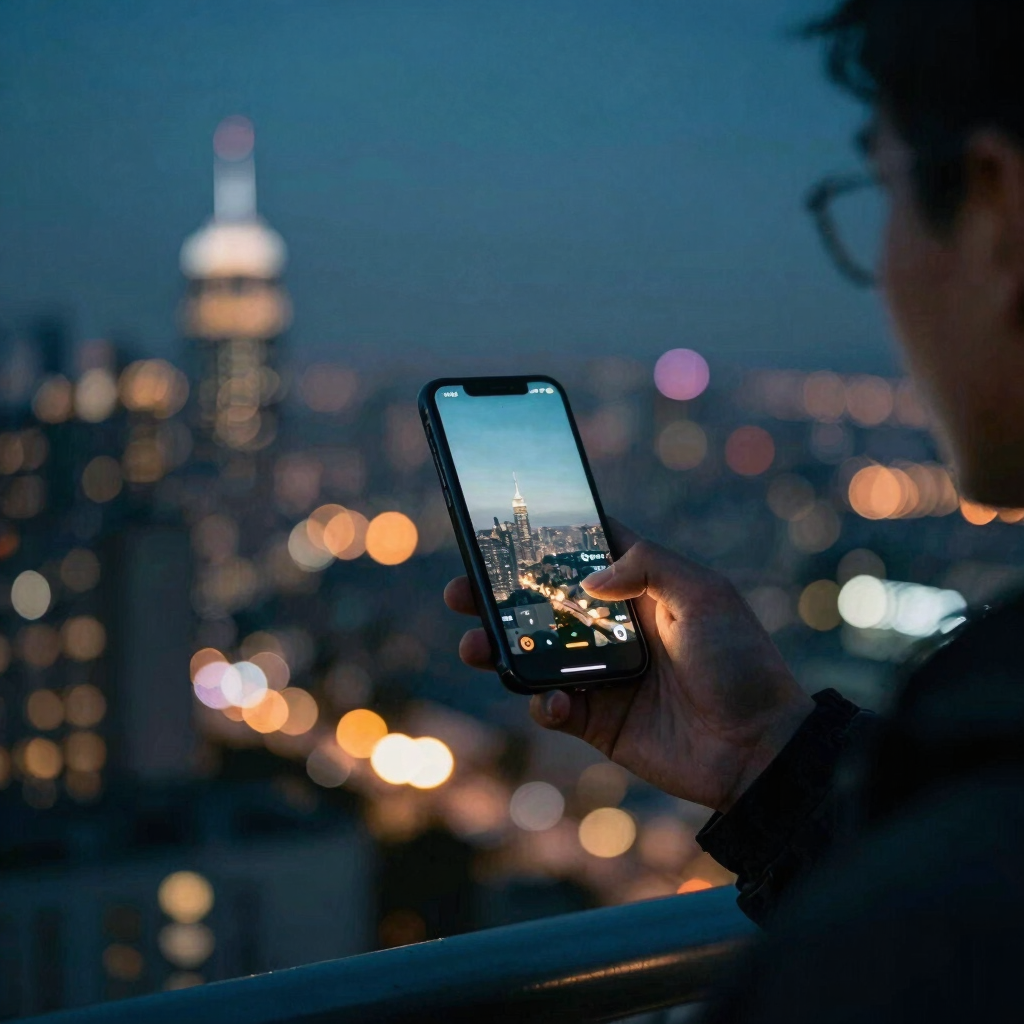
Night is where sensor size earns its keep. A larger sensor gathers more light, which means less noise and less aggressive smoothing.
A compact-flagship review found the Xiaomi 17’s main camera preferable in tougher conditions. It also called the Xiaomi’s night mode the clear winner on the telephoto camera. A separate comparison of the Ultra models reached a similar view: Xiaomi usually wins after dark, though Samsung is not far behind.
If you shoot weddings, evening events or distant subjects, this is the section that should weigh most in your decision.
At the top end, the two brands take opposite routes. The Xiaomi 17 Ultra uses a 1-inch Leica sensor and a 200 MP periscope. The Galaxy S26 Ultra uses a 200 MP main camera and two separate telephoto lenses, at 3x and 5x.
In simple terms:
A comparison of the two Ultras gives the Xiaomi the advantage for main-camera quality at night and for photographic atmosphere. Samsung keeps the S Pen, which Xiaomi does not offer. Samsung also gives you two dedicated telephoto lenses rather than one periscope.
Launch prices vary widely. The Galaxy S26 launched at $899 for 12GB/256GB. The Xiaomi 17 is listed at €999 for the same configuration. At the top end, the S26 Ultra starts at $1,300, while the Xiaomi 17 Ultra is listed at $1,200 for 12GB/512GB.
Pakistani pricing may differ from these figures because of taxes and import costs. Local PKR pricing and official availability were not confirmed at the time of writing, so check the retailer and the brand’s local channels for the current figure.
Before buying any imported flagship, check two things:
Samsung’s Galaxy S26 gives clean, natural results in good light. Longer software support is a bonus if you plan to keep the phone for years.
The Xiaomi 17 series, and especially the Ultra, is the stronger pick for low-light shots and telephoto work.
The Galaxy S26 Ultra offers the S Pen and two telephoto lenses.
The Xiaomi 17 packs a noticeably larger battery than the S26, which one review also flags as a weak point on Samsung’s side.
Camera comparisons are partly subjective. Colour style, skin-tone rendering and sharpness preferences vary from person to person. Software updates can also change image processing after launch, so a review from launch month may not describe the phone today.
The figures here also compare different tiers in places. Match like with like when you shop: S26 to Xiaomi 17, and S26 Ultra to Xiaomi 17 Ultra.
The headline surprise holds up. Xiaomi’s hardware advantage is real, but it shows up mainly at night and when zooming. In daylight, the Galaxy S26 keeps pace and sometimes wins.
Choose Xiaomi if low light, telephoto and a warmer look matter most. Choose Samsung if you want dependable everyday photos and longer software support.
Not across the board. Xiaomi tends to be stronger in night shots and telephoto, while Samsung is competitive or better in daylight and offers longer software support.
No. A bigger sensor helps most in low light. In bright conditions, software processing and colour tuning often decide which photo looks better.
Yes. Reviews describe the Xiaomi 17 Ultra as Leica-tuned, with a 1-inch Leica sensor on the main camera.
Official local availability and PKR pricing were not confirmed at the time of writing. Check with authorised sellers and verify PTA registration and warranty before buying.
Xiaomi’s 17 series has a 50 MP front camera against 12 MP on the Galaxy S26. Higher resolution helps on paper, but real-world selfie quality also depends on processing and your own taste.