Physical Address
304 North Cardinal St.
Dorchester Center, MA 02124
Physical Address
304 North Cardinal St.
Dorchester Center, MA 02124
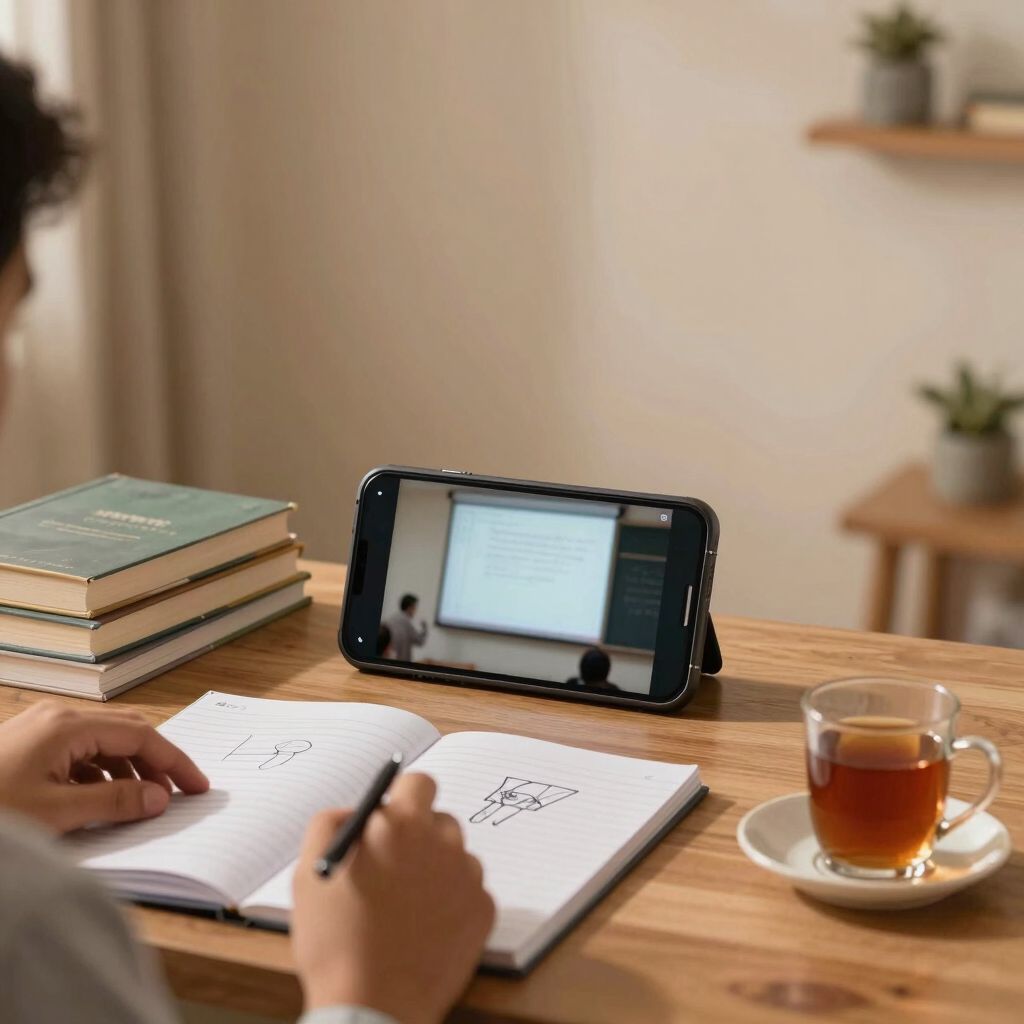
Coaching fees add up fast, but a phone can cover a lot of the same ground. These five Android apps offer free lectures, flashcards, math help and entry-test practice for Pakistani students, along with straight talk about where free stops and a real teacher still matters.
You do not need a coaching center to study well. You need clear lessons, regular practice and a way to check what you actually remember.
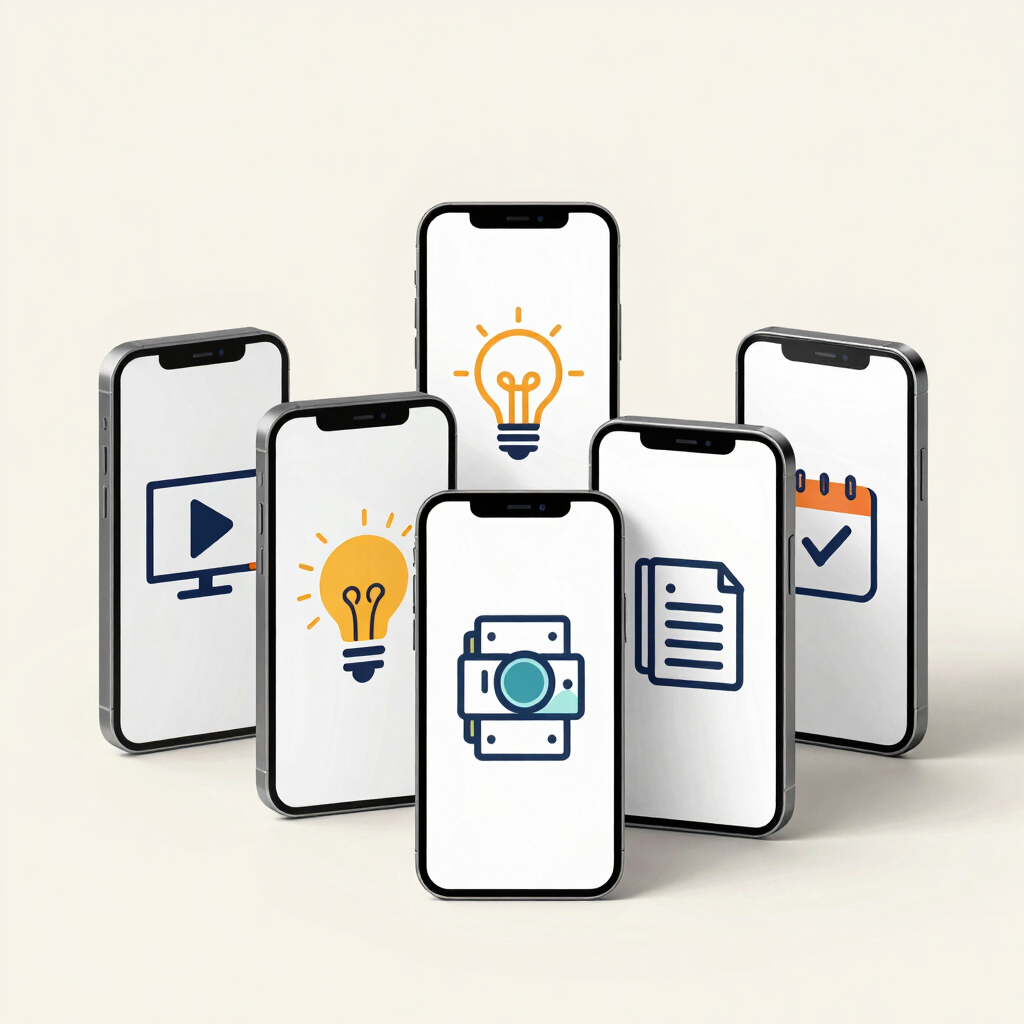
These five Android apps cover those three jobs. Sabaq, Khan Academy and AnkiDroid are completely free. Photomath has a free core with an optional paid upgrade. Maqsad offers a free trial before its paid batches begin.
Each app below gets an honest look at what it does well, where it falls short and who should install it first.
| App | Best For | Free Option | Platform |
|---|---|---|---|
| Sabaq | Board-aligned video lectures and practice tests | Fully free | Android, website, YouTube |
| Khan Academy | Understanding math and science concepts | Fully free, no subscriptions | Android, iOS, web |
| AnkiDroid | Memorizing and revising | Free and open source | Android |
| Photomath | Step-by-step math help | Free basic version; Plus is paid | Android, iOS |
| Maqsad | MDCAT, ECAT, BCAT and O Level prep | Free trial; full batches paid | Android, web |
Pick the row that matches your biggest problem, then read that section first.
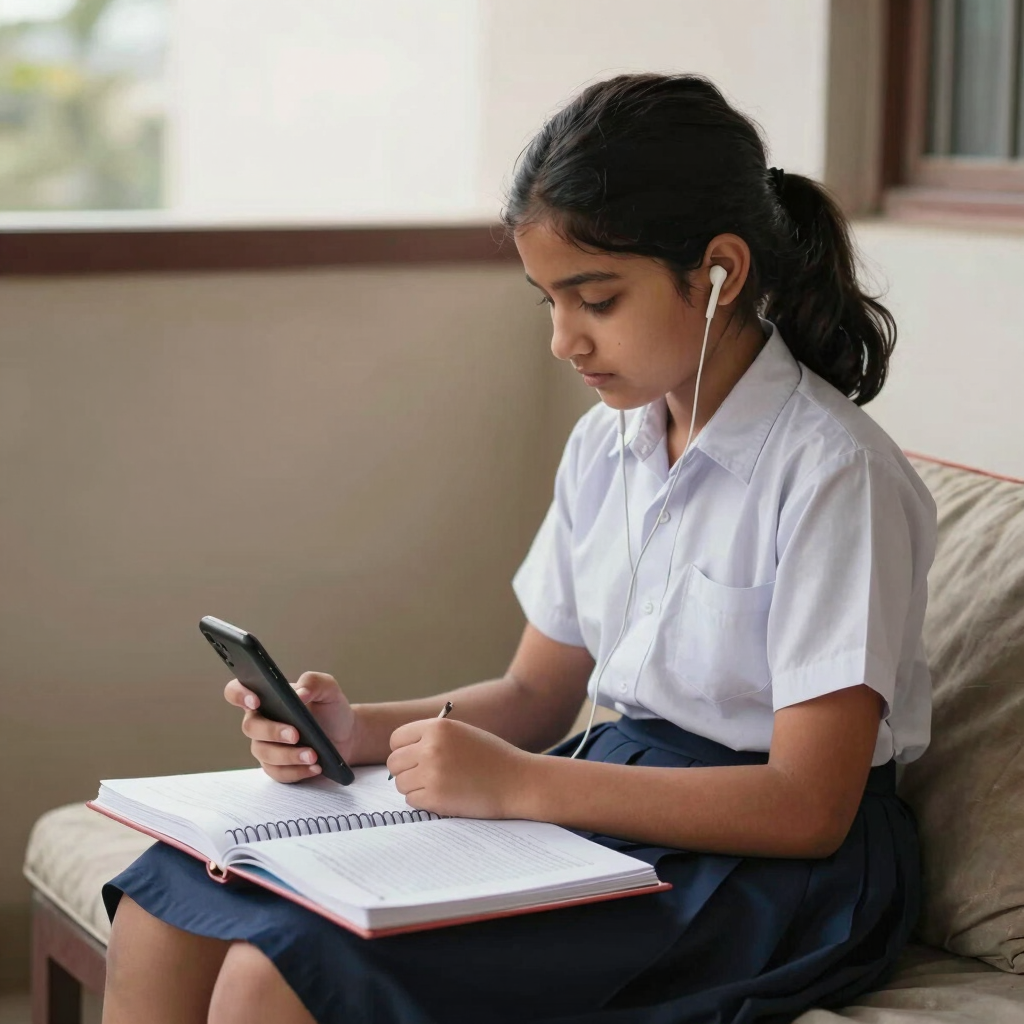
Sabaq is a nonprofit trust that began in 2012. Its aim was to create quality tutoring videos for every Pakistani student, in both English-medium and Urdu-medium schools.
The Play Store listing counts more than 15,000 lectures that follow the Sindh, Punjab, KP, Balochistan and Federal boards. Lectures and practice tests cost nothing, whether you use the app, the website or YouTube. That makes Sabaq the closest thing here to a free academy that follows your own board.
The app can download videos and practice tests for offline viewing. That helps when home Wi-Fi is unreliable or mobile data runs short. The website also carries study material for entry tests such as MCAT and ECAT. Several Overseas Pakistanis Foundation school websites list Sabaq under online resources, next to Khan Academy.
Khan Academy’s apps are free, with no in-app purchases or subscriptions. The organization is a nonprofit, so there is no premium tier waiting behind the lessons.
The app covers math, science, economics, grammar, history and more through videos, articles and practice exercises. A free account keeps your progress in sync with the website.
It works best for the topic that never made sense in class. Statistics, geometry or the Krebs cycle often click when someone explains them slowly and you can replay the video.

AnkiDroid is the Android version of Anki, an open-source flashcard system built on spaced repetition. The idea is simple. The app shows each card just before you would probably forget it, so your revision time goes where it matters.
It syncs with an AnkiWeb account if you want your cards on more than one device. Thousands of free shared decks exist, and you can also build your own.
Memory-heavy material suits flashcards well: biology terms, chemistry equations, Pakistan Studies dates and English vocabulary.
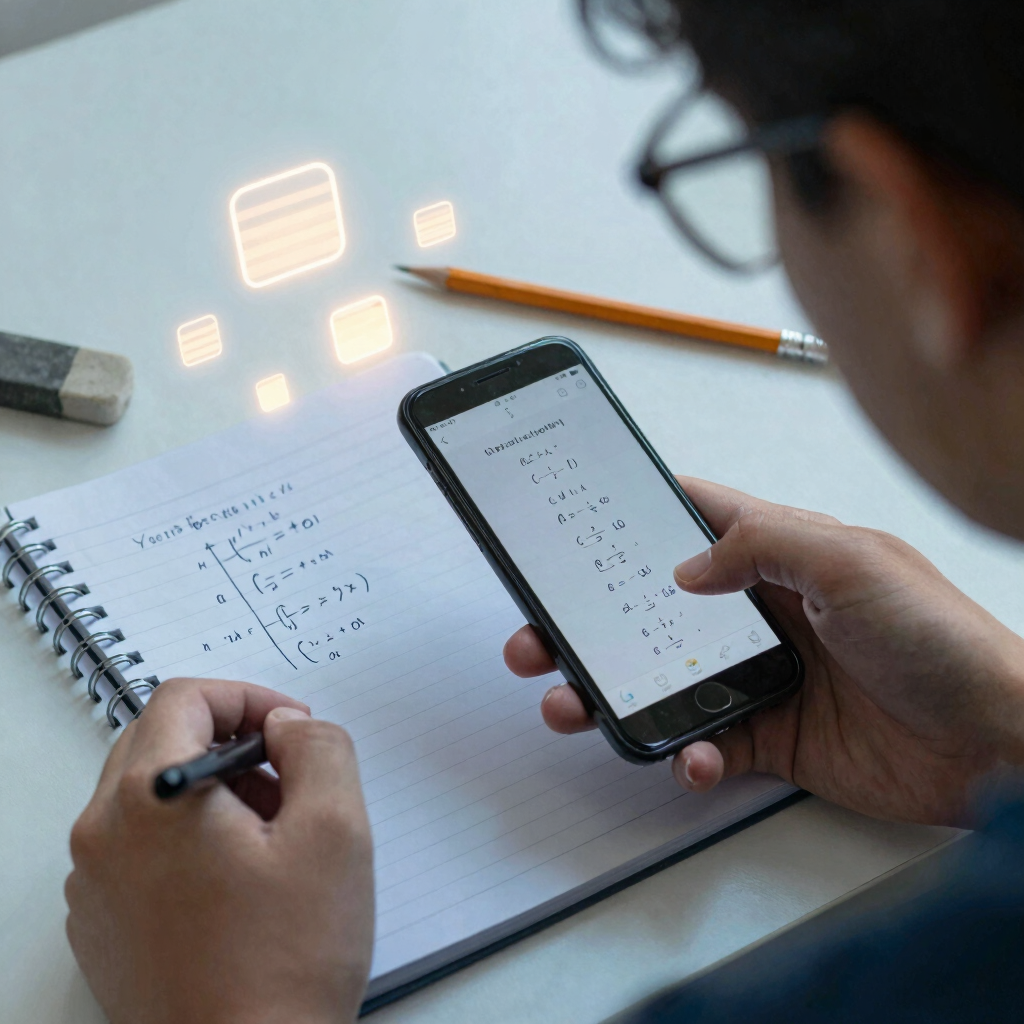
Photomath lets you scan a math problem with your camera and shows the solution one step at a time. The basic step-by-step explanations are free. Photomath Plus, a paid subscription, adds animated tutorials and detailed textbook solutions. Plus is billed through Google Play, and prices can vary by region, so check the app’s own listing for the current figure.
It is most useful late at night when nobody can explain a step. The app’s range runs from basic arithmetic to geometry.
One habit decides whether it helps or hurts. Try the problem first, then scan it and compare your working with the app’s. Copying steps teaches very little.

Maqsad is a Pakistani ed-tech platform focused on MDCAT, ECAT, BCAT and O Level preparation, with an Android app. It is the only pick here whose full courses are paid. Its business model is built on paid subscriptions.
The free part is still worth using. Maqsad has offered a seven-day free trial of its MDCAT batch, including live classes, recorded lectures and weekly tests. Its homepage also points to a set of free video lectures. Offers change, so check the app for what is available now, and check the listing for current pricing, since it can differ by region.
A smart way to use it: spend the trial week on a diagnostic test and a few live classes. Then decide whether a paid batch adds anything beyond free material like Sabaq. Success figures on the company’s site are its own statistics, not independent results. If you would rather have a human tutor or peer group, see our guide to finding study groups and tutors online.

Two or three apps are plenty. Installing all five and using none is the usual failure. Here is a routine that works for most matric and FSc students:

A coaching center sells structure as much as teaching. Without it, you have to set your own schedule and stick to it.
Apps also cannot mark your handwritten answers. Board exams reward clear writing, so ask a teacher, senior or older sibling to read one or two of your answers each week.
Video lectures use a lot of data, so download over Wi-Fi where an app allows it. If data is a regular problem, it is worth reading about apps that save mobile data. Finally, check the current syllabus from your board before you trust any lesson, free or paid.
For a wider phone setup, here are the apps every Pakistani student should have. Today, start small: one lecture and ten flashcards. Consistency matters more than the app list.
Many students do, using a textbook, recorded lectures and past papers. Apps handle explanation and practice well. What they cannot give you is feedback on your written answers or an outside schedule, so plan for both.
Sabaq, Khan Academy and AnkiDroid are free to use. Photomath’s core features are free, and Photomath Plus is paid. Maqsad offers a trial and then paid batches. Availability can vary by device, so open each app’s Play Store page on your phone. If you see an Install button, it is available to you.
Sabaq can download videos and practice tests for later viewing. AnkiDroid is designed for studying anywhere, and syncing is optional. The others need an internet connection for most features.
Install each app from its official Google Play listing and check that the developer name matches the organization behind the app. Review the Data safety section before creating an account. Create accounts only when you want progress synced across devices.