Physical Address
304 North Cardinal St.
Dorchester Center, MA 02124
Physical Address
304 North Cardinal St.
Dorchester Center, MA 02124
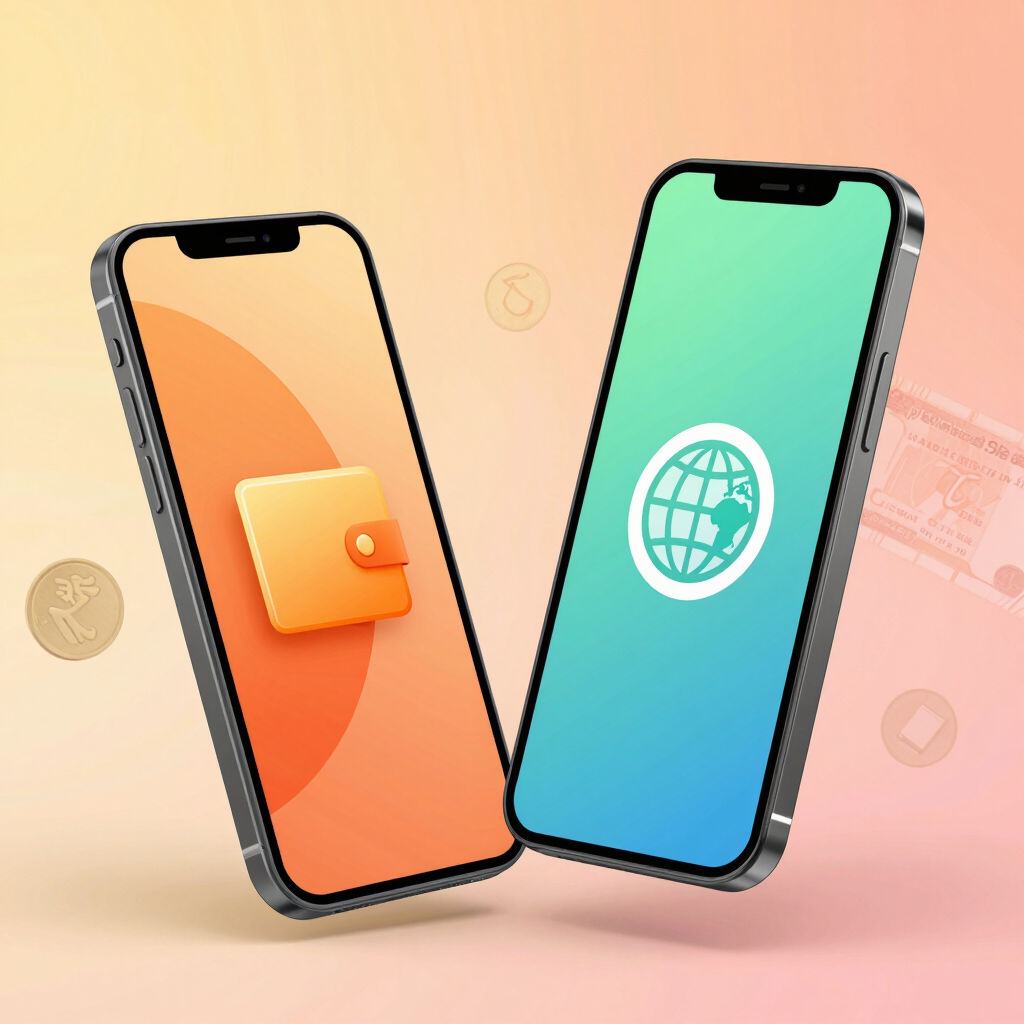
JazzCash and NayaPay solve different problems for Pakistani users. This comparison breaks down agent access, debit card perks, remittance options, and real transfer fees to show which wallet costs less over a typical month of everyday spending.
I Used JazzCash and NayaPay for a Month — The Winner Surprised Me
Run your rent reminder, a mobile top-up, a couple of online orders, and a few family transfers through JazzCash for a month, then do the same through NayaPay, and a pattern shows up fast: neither app wins on every front, and the wallet most Pakistanis default to out of habit isn’t automatically the cheaper or more convenient one for how people actually spend money today.
That’s the real story behind comparing JazzCash and NayaPay. JazzCash is the incumbent — a branchless banking service tied to Jazz’s mobile network and run by Mobilink Microfinance Bank (MMBL) under a State Bank of Pakistan licence, used by tens of millions of Pakistanis who cash in and cash out through a nationwide agent network. NayaPay is the newer, app-only challenger — Pakistan’s first licensed Electronic Money Institution, or EMI, a category of regulated non-bank that’s allowed to hold e-money and issue cards — built around a free Visa card and a chat-style interface for people who live inside their smartphone. A month of typical spending through both apps shows exactly where each one earns its keep, and where the obvious choice isn’t the cheapest one. (For the record, apkboy.online isn’t affiliated with JazzCash, Mobilink Microfinance Bank, or NayaPay — this comparison is built entirely from each company’s own public information and official documentation.)
Pricing
| Factor | JazzCash | NayaPay |
|---|---|---|
| Operator | Mobilink Microfinance Bank (MMBL) | NayaPay (Private) Limited |
| Regulator | State Bank of Pakistan (branchless banking) | State Bank of Pakistan (EMI licence) |
| Access | App + USSD (*786#, works without internet) | App only, needs a smartphone and data |
| Sign-up | Mobile number + CNIC | Mobile number + CNIC |
| Debit card | Visa, Mastercard, or PayPak; small one-time fee | Visa (virtual + physical); free |
| Cash agent network | Large, nationwide | None; cash goes in via bank transfer or partner-bank deposit |
| Extra products | Savings, nano-loans, insurance, Buy Now Pay Later | Business tools via NayaPay Arc |
| International remittances | Mainly via Payoneer | Payoneer, Wise, Western Union, Remitly, RIA, ACE |
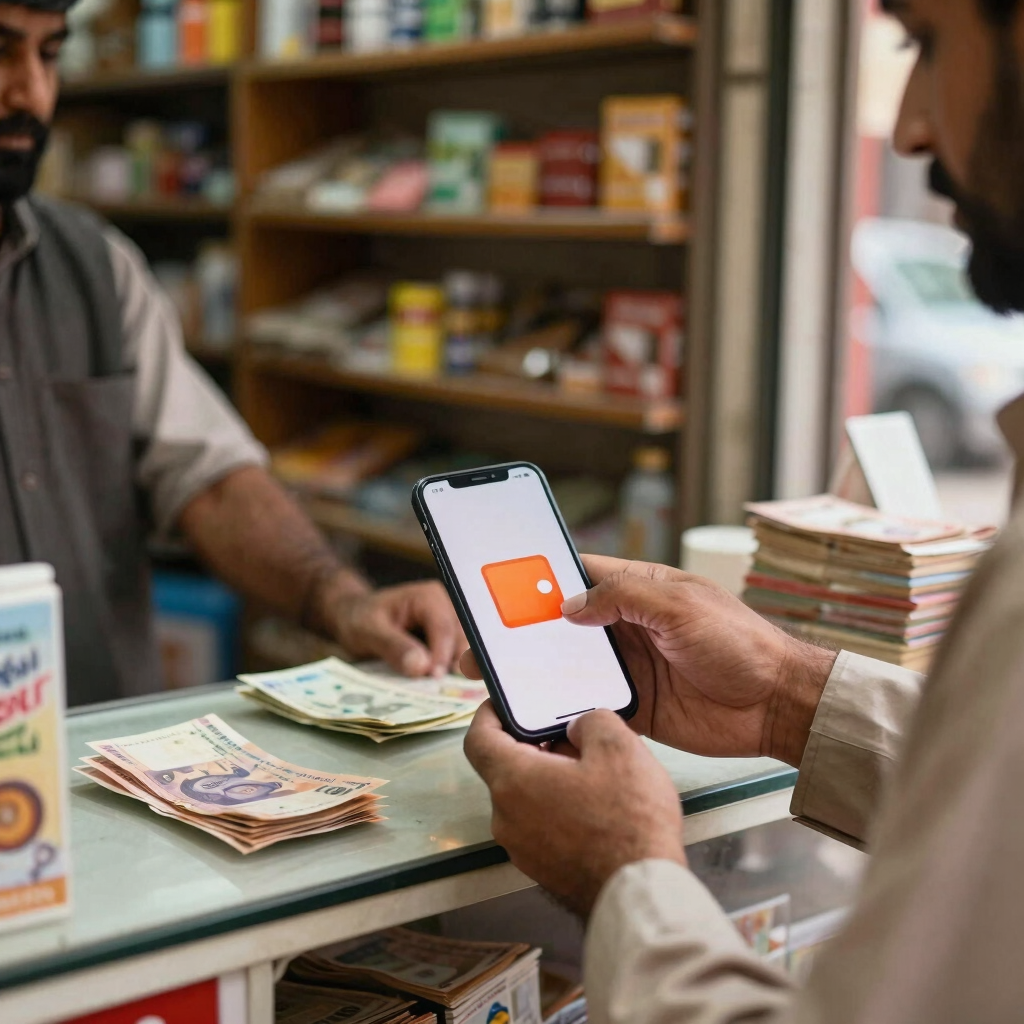
JazzCash started life in 2012 as MobiCash, a Mobilink telecom product, before being rebranded JazzCash in 2016. It now runs as a branchless banking service operated by Mobilink Microfinance Bank, which means it’s regulated the same way a small bank is, not just as a payments app.
The defining feature is reach. JazzCash works through its mobile app and through the USSD code *786#, so it functions on a basic feature phone with no internet connection at all — a genuine advantage in a country where smartphone and data access still isn’t universal. Your JazzCash account number is simply your registered mobile number.
Beyond transfers and bill payments, JazzCash has grown into a broader financial product: mobile top-ups, QR and tap-to-pay purchases, a savings account, nano-loans with bundled life and health insurance, and a Buy Now Pay Later option that splits purchases into installments. Debit cards come in Visa, Mastercard, and PayPak variants, including a dedicated women’s card and a virtual card you can add to Google Wallet for contactless payments. JazzCash also has its own registered agent and retail network, which by its own more recent figures now numbers well into the hundreds of thousands of cash-in and cash-out points.
NayaPay is a different kind of company entirely. It’s not a bank or a telecom spin-off — it’s Pakistan’s first Electronic Money Institution, having received commercial approval from the State Bank of Pakistan in 2021 after a multi-year pilot. It’s backed by the Lakson Group and was founded by Danish A. Lakhani.
Where JazzCash leans on physical infrastructure, NayaPay leans entirely on the app. Sign-up needs just a CNIC and a smartphone, and it’s built to be fast — no branch visit, no agent, no waiting period. Every account comes with a free Visa virtual debit card the moment you sign up, and you can order a free physical Visa card for doorstep delivery. There’s also a PayPak card option for domestic-only spending.
NayaPay’s standout feature for many users is its remittance network. Share your NayaPay IBAN (International Bank Account Number, the standard format used for cross-border transfers) and money can land directly from partners including Payoneer, Western Union, Wise, Remitly, RIA, and ACE — a noticeably wider net than JazzCash’s Payoneer-centred setup. The app also has a chat-based interface for sending money, splitting bills with friends, and sending digital gift envelopes, and it connects to a Raast ID (Pakistan’s instant payment system) for interbank transfers. For freelancers and small sellers, NayaPay also offers a separate business product called NayaPay Arc, with invoicing and payment-acceptance tools.
The biggest gap between the two isn’t a feature — it’s a philosophy. JazzCash is built for a still largely cash-based economy: you can load or withdraw money at a physical agent almost anywhere, and you don’t need a smartphone to use it at all. NayaPay assumes you already live on your phone: there’s no agent network, so getting cash in usually means linking a bank account or depositing at a partner bank branch, and getting cash out means an ATM.
That difference carries through to cost. JazzCash’s agent-based model comes with a published, tiered fee schedule for cash-out and wallet-to-wallet transfers — convenient, but not free. NayaPay markets itself around the opposite idea: no annual card fee, no card issuance charge, and free transfers between NayaPay users, with the trade-off that some transfers to other banks and third-party ATM withdrawals can carry their own charges once you go past a monthly threshold.
Product breadth also differs. JazzCash has grown into something closer to a financial super-app, with savings, nano-loans, insurance, and BNPL layered on top of payments. NayaPay stays narrower and more polished around its core job — moving money and spending it internationally — while pushing business tools into the separate Arc product rather than bolting them onto the personal wallet.
Both apps sit under State Bank of Pakistan oversight, which means both require CNIC verification tied to NADRA records before you can transact, and both use a PIN (JazzCash calls it an MPIN) or biometric authentication to authorize payments. Debit cards from either provider can be frozen or unfrozen instantly from inside the app if lost or stolen, and both support setting your own spending limits.
JazzCash’s card-to-Google-Wallet integration relies on tokenization, meaning your actual card number is never transmitted during a tap-to-pay purchase — only a substitute token is. NayaPay’s app similarly separates card controls (freezing, limit-setting, enabling or disabling international and contactless payments) from the core wallet, so a compromised card doesn’t have to mean a compromised account.
Practically, the same basic habits protect you on either app: never share your MPIN or one-time codes with anyone, including someone claiming to be from customer support, and treat your registered mobile number as sensitive since it doubles as your account number on both platforms.
JazzCash publishes an official Schedule of Charges that breaks fees into tiers based on transaction size. A sample from wallet-to-wallet money transfers: moving up to Rs. 1,000 costs around Rs. 25, Rs. 2,501–4,000 costs around Rs. 40, and Rs. 10,001–20,000 costs around Rs. 120. Cashing out from the wallet is charged separately and on its own tiered scale, starting at a few rupees for very small amounts and rising with the withdrawal size. These figures come directly from JazzCash’s published rate card and are reviewed periodically, so it’s worth checking the current schedule in the app before a large transaction.
NayaPay’s pricing is simpler on paper: the Visa card itself is free to issue, there’s no annual or maintenance fee, and sending money to another NayaPay user doesn’t cost anything. Where charges can appear is on transfers out to other banks once you exceed a monthly free allowance, and on withdrawals at ATMs that aren’t NayaPay’s own partners, where the ATM operator — not NayaPay — may add its own fee. NayaPay’s in-app Schedule of Charges has the current, exact figures for your account tier.
If you regularly deal in cash, live somewhere without reliable data coverage, or need to send money to someone who doesn’t have a smartphone, JazzCash’s agent network and USSD access make it the more practical everyday tool. Its added savings, insurance, and lending products also make it a fuller financial toolkit for users who want one app to do more.
If most of your spending happens online, you regularly receive money from abroad, or you simply want to avoid card fees, NayaPay’s free Visa card and wider remittance-partner list are hard to match. Its chat-based interface and bill-splitting tools also make it a natural fit for younger, urban users who already do most of their banking through an app.
JazzCash’s fee structure means small, frequent transactions can quietly add up over a month, and as a wallet product rather than a traditional deposit account, it doesn’t carry the same protections as a standard bank account. Higher transaction tiers also require periodic biometric re-verification at an agent or branch, which some users find inconvenient.
NayaPay’s biggest limitation is the flip side of its biggest strength: without an agent network, anyone who’s unbanked or without a linked account has a harder time getting cash in or out. It also has no USSD fallback, so a dead phone or no data means no access to your money at all — something that never happens with JazzCash’s *786# option.
On paper, JazzCash looks like the obvious winner — it’s older, bigger, and has infrastructure NayaPay simply can’t replicate quickly. But run a typical month of smartphone-based spending through both — bill payments, a couple of online orders, one or two transfers — and NayaPay usually comes out ahead purely on cost, because its card and person-to-person transfers genuinely don’t carry the fees JazzCash’s tiered schedule applies. That’s the surprise: the newer, smaller app is often the cheaper one to actually live on day to day. JazzCash remains the better choice if cash access, USSD reliability, or extra financial products like savings and insurance matter to you. For most digital-first spenders, though, NayaPay is the one that quietly saves you money.
Yes. There’s no restriction on holding both, and many users keep JazzCash for cash-based needs and agent access while using NayaPay for online spending and receiving remittances.
The core promise — no annual fee, no card issuance charge, and free transfers to other NayaPay users — holds up. Charges can apply to transfers to other banks beyond a monthly threshold and to withdrawals at non-partner ATMs, so it isn’t free in every scenario.
Both are regulated by the State Bank of Pakistan and require CNIC-based verification, PIN or biometric authentication, and offer instant card freezing. Neither has a documented security disadvantage over the other; the bigger safety factor is following good account-security habits yourself.
Yes, though NayaPay supports a wider range of international remittance partners, including Payoneer, Western Union, Wise, Remitly, RIA, and ACE, while JazzCash’s setup is centred mainly on Payoneer.
No. Both are designed to work without a traditional bank account — you only need a CNIC and a mobile number to open either one.